
Home > Articles > How to Choose Air Conditioning for Your Static Caravan
Choosing the Right Air Conditioning for Your Static Caravan
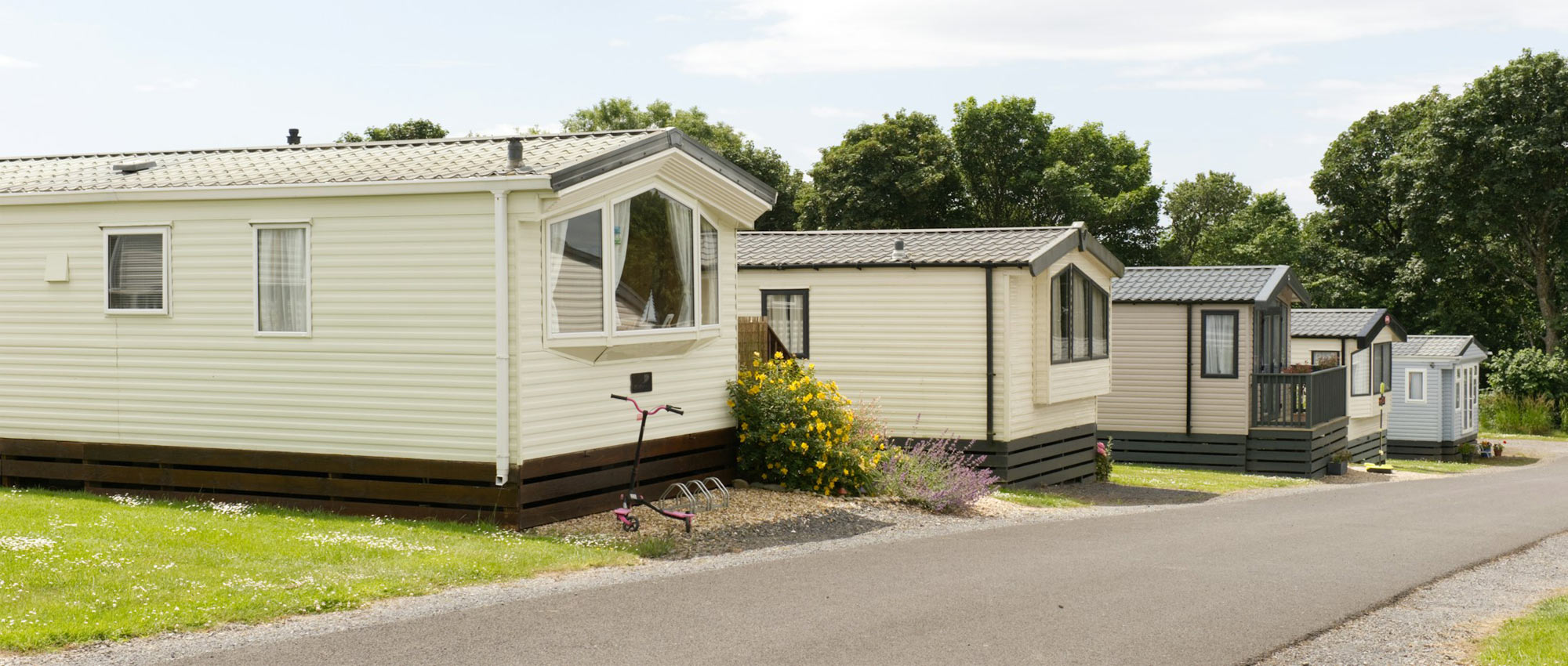
Static caravans can become surprisingly hot during the summer months. With relatively limited insulation, large windows and roofs exposed to direct sunlight, internal temperatures can rise quickly, sometimes becoming uncomfortable even when the outside temperature is reasonable.
Installing air conditioning can make a real difference, providing cooling during hot weather and, with a suitable system, heating when temperatures fall. However, choosing the right system involves more than simply selecting a unit of the right size.
The layout of your caravan, how you use it and the available installation space all influence which system is most suitable.
1. Consider How You Use Your Static Caravan
Before choosing a particular system, think about when you use your caravan and what you want the air conditioning to achieve.
Is your caravan used mainly in the summer, or do you use it throughout the year? If your main concern is keeping the caravan comfortable during hot weather, cooling performance will probably be your priority. If you also visit in colder months, a system that provides heating can offer additional benefits.
Consider whether you want to maintain a comfortable temperature throughout the caravan or perhaps just the main living area or bedroom.
Understanding these requirements helps establish what the system needs to do before you start comparing equipment.
2. Choosing the Right Type of Air Conditioning System
There are different types of air conditioning equipment, but a fixed split system is one option worth considering for a static caravan.
A split system consists of two main components: an indoor unit that cools the air and an outdoor unit that releases heat outside. The two units are connected by refrigerant pipework and electrical connections.
Wall-mounted indoor units are common because they provide effective air circulation without taking up floor space. However, the best arrangement depends on the caravan's internal layout and available mounting positions.
A fixed system also avoids the need to move a portable unit around the caravan or accommodate a large appliance in the living space.
3. What Size Air Conditioning Unit Do You Need?
Choosing the correct capacity is one of the most important parts of an air conditioning installation. A unit with insufficient capacity may struggle to maintain a comfortable temperature during hot weather. Conversely, simply choosing the largest available unit isn't necessarily a cost-effective solution.
The appropriate capacity depends on several factors:
- Size and layout: The overall floor area matters, but so does the internal layout. An open-plan living area presents different challenges from a caravan divided into several separate rooms.
- Insulation: Static caravans vary in their construction and insulation. This influences how quickly heat enters the caravan and how readily the internal temperature changes.
- Windows and sunlight: Large windows can allow substantial solar heat into the living space, particularly when they face the sun for much of the day. The roof can also absorb considerable heat during prolonged sunny weather.
- Occupancy and equipment: People, cooking appliances, televisions and other electrical equipment all contribute heat to the interior.
These factors should be considered together when determining the required cooling capacity. The caravan's length alone is not a reliable way to select an appropriate unit.
4. Will One Indoor Unit Be Enough?
The layout of a static caravan can influence how evenly the air conditioning performs. In a relatively open-plan caravan, one appropriately positioned indoor unit may provide effective cooling across much of the main living area.
However, bedrooms and other enclosed spaces can be harder to cool, particularly when doors are closed. Air conditioning doesn't automatically distribute conditioned air evenly throughout every room. The position of the indoor unit and the direction of its airflow both affect the result.
If you want the bedrooms to remain comfortable as well as the living area, this should be discussed when planning the installation. The goal is to choose an arrangement that suits how you use the caravan, rather than assuming a single unit will always be enough.
5. Do You Want Heating as Well as Cooling?
Many fixed air conditioning systems can provide heating as well as cooling. These systems work as air-source heat pumps, efficiently transferring heat from one place to another. During cooling, they remove heat from the caravan and release it outside. When heating, the process reverses, transferring heat into the caravan.
This can be particularly useful for static caravan owners who visit outside the main summer season. A suitable system can help warm the living space during cooler mornings and evenings, making the caravan more comfortable when temperatures drop.
Heating performance varies between models and depends on the outdoor temperature, the caravan's insulation and the heat required to maintain a comfortable internal environment. If heating matters to you, check the manufacturer's heating performance specifications rather than assuming every air conditioning unit will perform the same in colder weather.
6. Think About Humidity as Well as Temperature
Temperature is only one part of indoor comfort. Humidity can also influence how comfortable a static caravan feels.
Air conditioning systems generally remove some moisture from the air as part of the cooling process. This can help make the living space feel more comfortable during warm, humid weather. However, dehumidification alone is not a substitute for adequate ventilation or addressing sources of damp.
Static caravans that remain unoccupied for extended periods may need particular attention to ventilation and moisture management. If controlling humidity is one of your priorities, consider the equipment's operating modes and follow the manufacturer's recommendations for its use.
7. Planning Your Installation
The practicalities of installation are particularly important in a static caravan, where space can be limited. The indoor unit needs a suitable mounting position that allows good air circulation without directing an uncomfortable stream of air towards seating or beds. The outdoor unit also needs an appropriate location, with sufficient clearance for airflow and access for future maintenance.
Other considerations include:
- The route between the indoor and outdoor units.
- Refrigerant pipework and condensate drainage.
- The available electrical supply.
- The caravan's construction and weatherproofing.
- Any requirements imposed by the holiday park concerning external equipment, positioning, noise or alterations to the property.
Considering these issues early can help avoid complications later.
Running costs are another consideration. These depend on the equipment selected, how often you use it and the conditions in which it operates. The unit's efficiency, the temperature you want to maintain, the caravan's insulation and your electricity tariff all play a part.
Choosing a correctly sized, efficient system and using it sensibly can help manage energy consumption. Closing blinds or curtains during periods of strong sunlight and keeping doors and windows closed while cooling can also help.